
Five minutes doesn't sound like much. But to the average consumer, it can seem like an eternity.
Five minutes can fly by. If you are running a business, time can get away from you before you know it.
But five minutes looks very different to someone who just contacted your business.
He is waiting for an answer. He doesn’t care if you're talking to a customer, finishing a job, driving to an appointment. He wants your attention. Now.
So he may look elsewhere.
That's the five-minute problem.
Leads cool off fast, and the data proves it
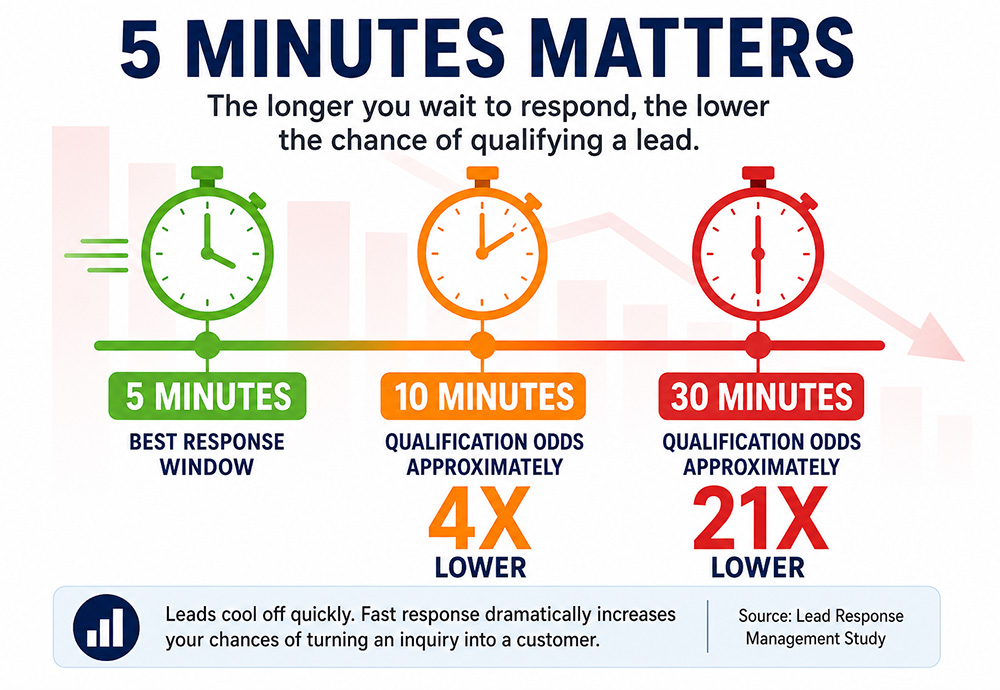
The often-cited Lead Response Management Study examined more than 15,000 web-generated leads and more than 100,000 call attempts to determine how response time affected the ability to contact and qualify a potential customer.
The results were dramatic.
The odds of qualifying a lead were about four times lower at 10 minutes than at five minutes.
By 30 minutes, the odds were about 21 times lower than at five minutes.
That doesn't mean a lead magically becomes worthless when the clock hits 5:01.
It means linterest is perishabe.
Someone who fills out a form, sends a message, or makes a phone call has decided to do something. Right now.
The longer you wait, the greater the chance that something changes.
Maybe he gets distracted. Or he decides the problem isn't worth dealing with today. Or maybe he reached a different service provider.
The customer clock moves faster than the business clock
From inside a busy company, waiting 20 minutes to return an inquiry might seem perfectly reasonable. From the customer's perspective, it may feel completely different.
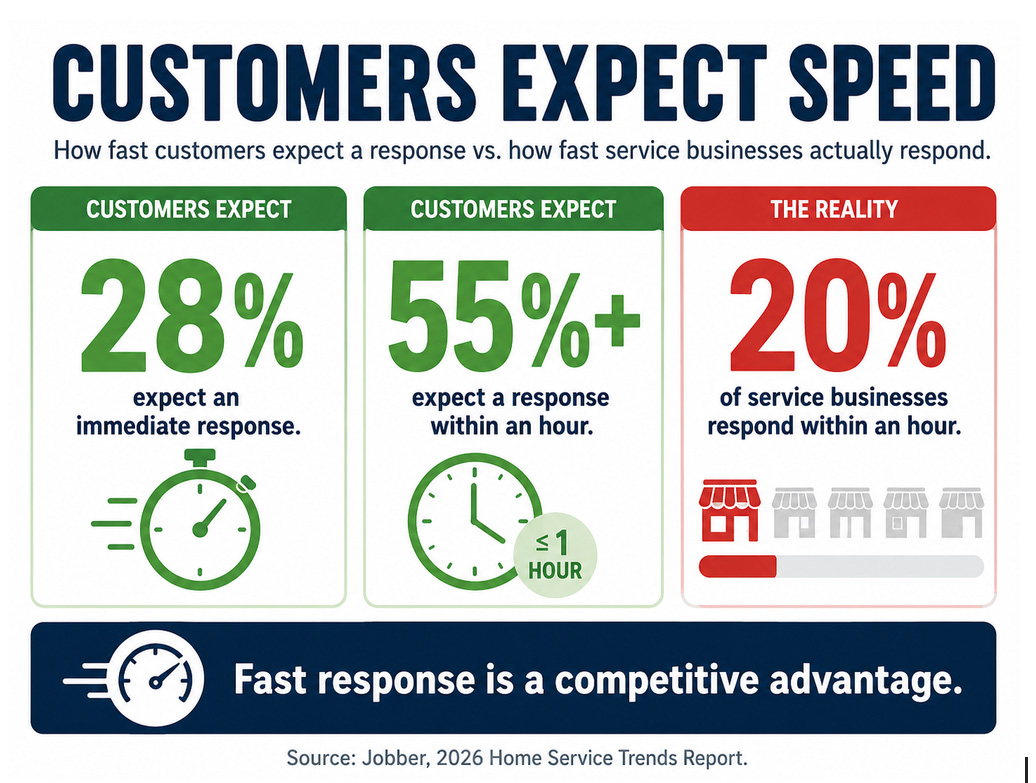
Jobber's 2026 Home Service Trends Report found that 28% of customers expect an immediate response, and more than 55% expect a response within an hour.
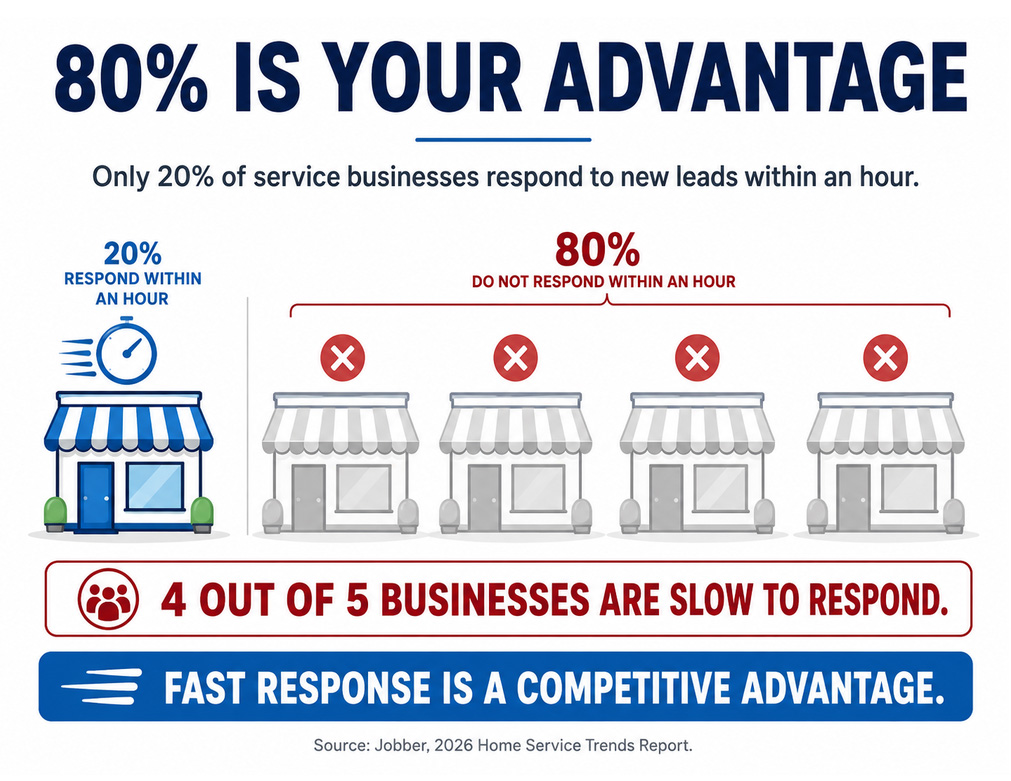
Yet only 20% of the service businesses surveyed said they respond within an hour.
That's a pretty substantial disconnect.
When does response time start?
Your response time starts
- when the customer contacts you.
- Not when the salesperson gets back from lunch.
- Not when the technician finishes the current job.
- Not when someone checks the website form inbox.
- And not tomorrow morning when the office opens.
Sometimes work gets in the way of business
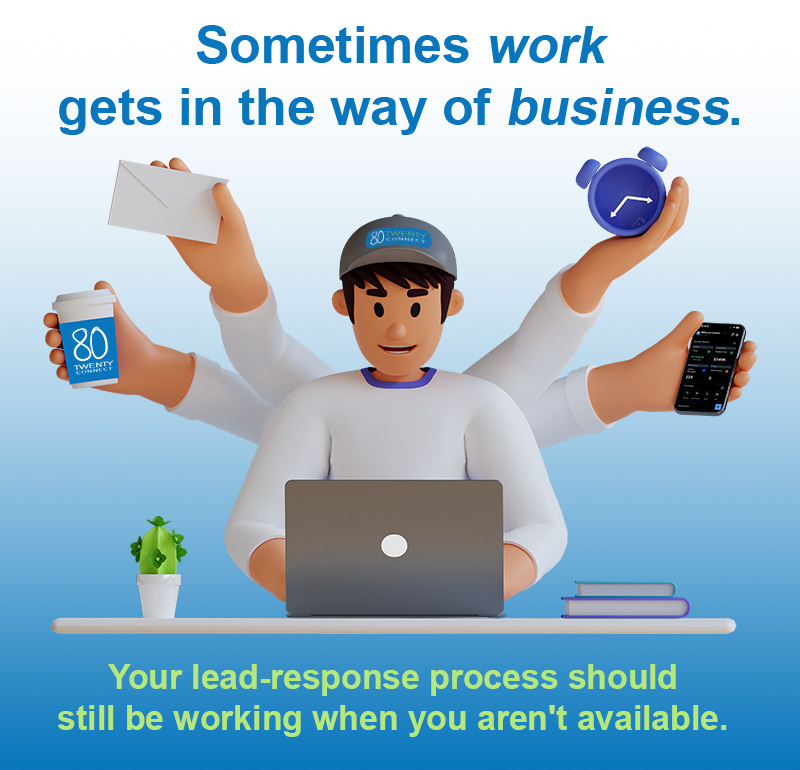
Businesses respond slowly not because nobody cares about the lead. It's usually because everybody is working. The salesperson is already talking to someone. The owner is meeting with a customer. The technician is on a jobsite. The receptionist has two calls on hold.
Nobody did anything wrong. In fact, everyone was doing something right!
But, sometimes work gets in the way of business.
The problem is relying on someone being available at exactly the moment a potential customer decides to contact you.
A fast response doesn't require an available person
Responding quickly does not mean someone at the company has to drop everything and immediately begin a sales conversation.
The first response can be automatic, telling the customer:
A lead-response system can:
- acknowledge the inquiry immediately,
- alert the appropriate employee,
- add the lead to the sales pipeline,
- record where the lead came from,
- assign the next step, and
continue follow-up if the customer doesn't respond.
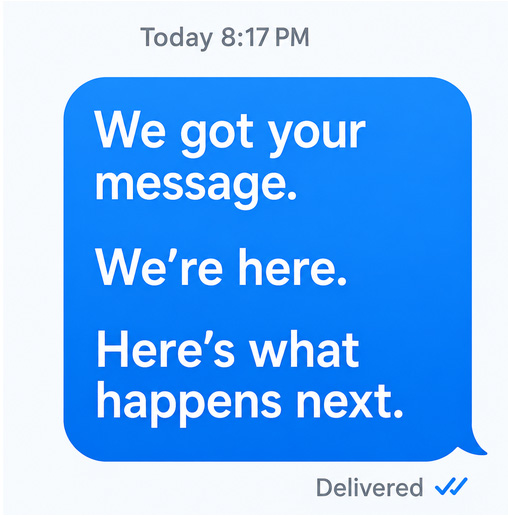
Here’s a game-saving solution
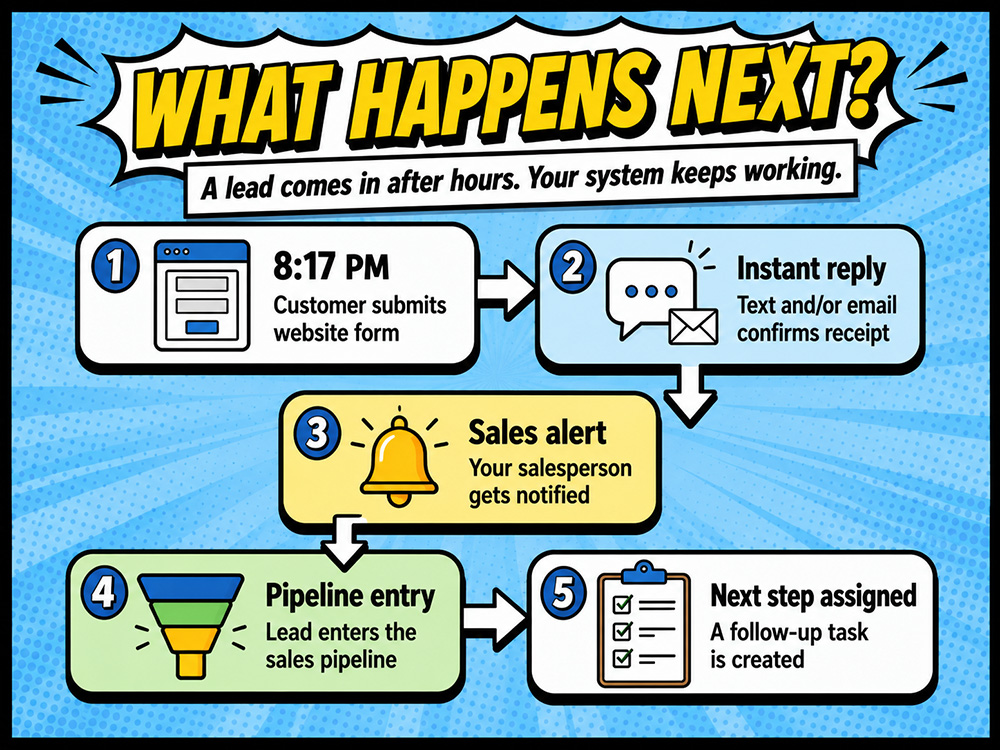
The conversation is started even before the salesperson makes the callback.
Automation doesn't replace the salesperson. It gives him a better chance to make the sale.
What happens when you're too busy to answer?
80Twenty Connect can respond to new inquiries immediately, notify your team, track the opportunity, and keep follow-up moving automatically.
Bottom line, be in the 20%
In the Jobber numbers, we saw that only 20% of the service businesses surveyed report responding to new leads within an hour.
That means 80% do not.
That 80% is your advantage.
You don’t have to win on price. You don’t need another sales rep. Or a bigger advertising budget. You just need to answer the customer before he finds someone else.
You already did the hard part
You paid for the ad, built the website. You earned the referral. You got someone's attention. And he contacted you.
Once the lead arrives, there should be a process in place to make sure the opportunity doesn't slip away.
You can’t guarantee that someone will always be free when a customer reaches out. But you can define what happens every time a new lead comes in.
80Twenty Connect helps businesses acknowledge new inquiries quickly, notify the right people, track opportunities, and automate routine follow-up so leads don't depend on somebody remembering what to do next.
Five minutes isn't much time.
But when a potential customer is waiting, it can matter a lot.